


Schizophrenia

Schizophrenia is a chronic, severe, and disabling mental illness. It affects men and women with equal frequency.  It is basically a disease in which there is misinterpretation of information.

Introduction

Schizophrenia and other mental health disorders have fairly strict criteria for diagnosis. Time of onset as well as length and characteristics of symptoms are all factors. The active symptoms of schizophrenia must be present at least 6 months, or only 1 month if treated.

Symptoms

Social withdrawal in schizophrenia is a complex symptom with multiple contributing factors. It can be a result of "passive" motivation (disinterest or lack of drive to engage with others) or "active" motivation (fear, hostility, or distrust of 2 others).

Clinic

Loss of hygiene is a common symptom of schizophrenia, often stemming from a lack of motivation or difficulty with daily tasks. It can manifest in various ways, such as neglecting bathing, brushing teeth, or changing clothes.

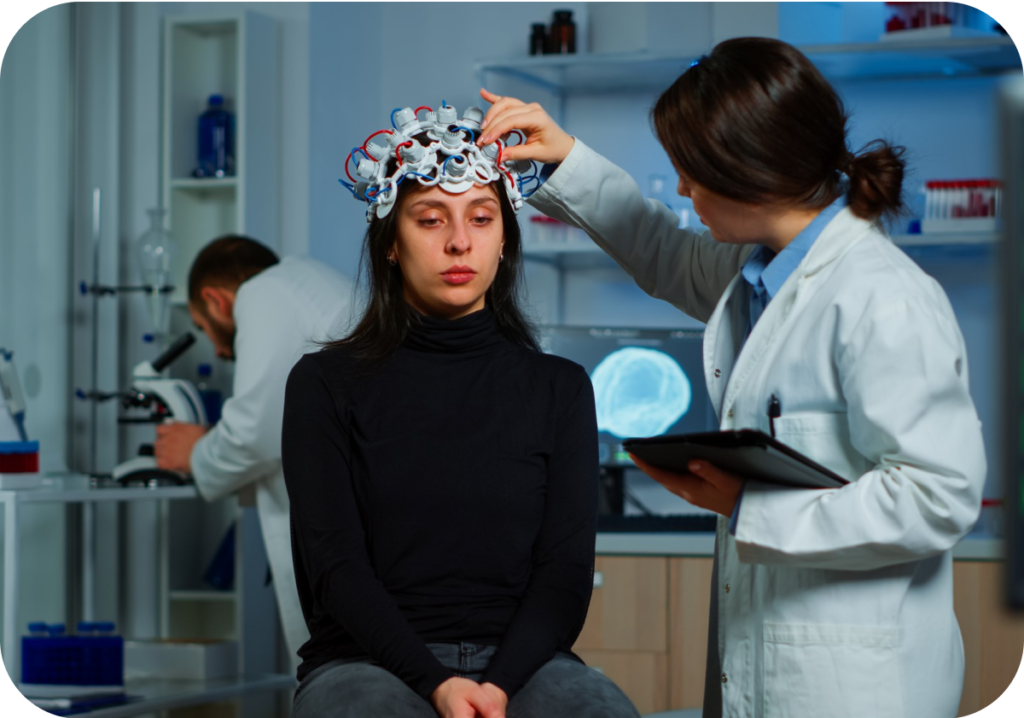
Lab Facility

Delusions are a common symptom of schizophrenia. They are false beliefs that a person holds despite evidence that they are not true. Delusions can be very disturbing to the person experiencing them, and they can lead to unusual behaviors.

Types of Delusions

There are many different types of delusions. Some common types include:

  • Delusions of persecution: The person believes that they are being harmed or harassed by others.  
  • Delusions of grandeur: The person believes that they are very important or powerful.  
  • Delusions of reference: The person believes that ordinary events have a special meaning for them. 
Causes

The development of drug addiction is multifaceted and can involve.

Genetic Factors

Family history of depression or other mental health issues can increase the risk.

Neurological Factors

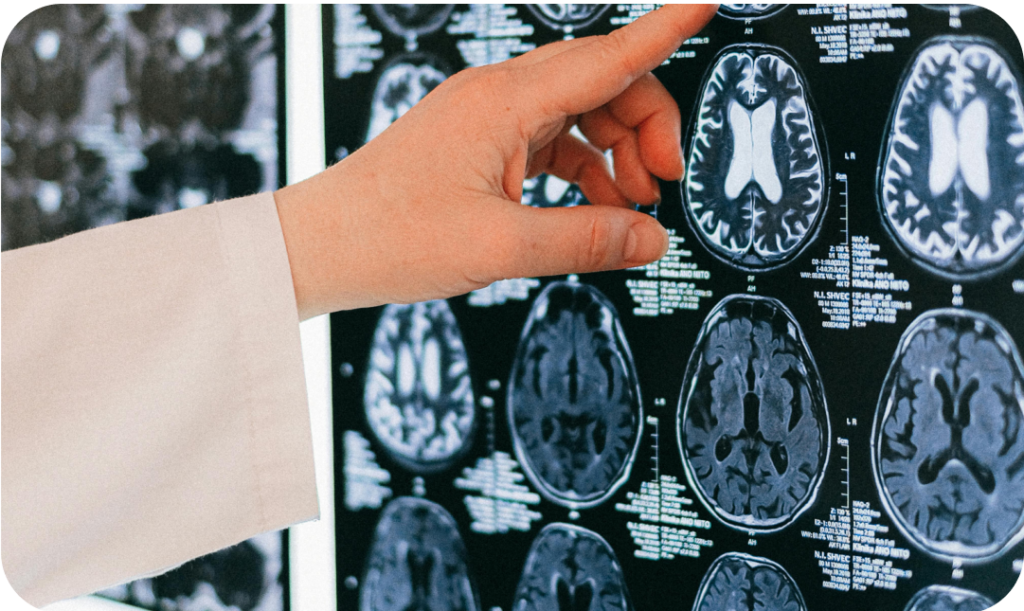
Differences in brain structure and function affecting attention regulation.

Environmental Factors

Exposure to toxins (e.g., lead), prenatal exposures (e.g., smoking, alcohol), and low birth weight.

Genetic Factors

Family history of depression or other mental health issues can increase the risk.

Neurological Factors

Differences in brain structure and function affecting attention regulation.

Environmental Factors

Exposure to toxins (e.g., lead), prenatal exposures (e.g., smoking, alcohol), and low birth weight.

Effects

Anxiety disorders can have profound impacts on an individual’s daily life, well-being, and relationships. Here are several key effects.

Intellectual Impairment

Cognitive decline can affect memory and attention, making daily tasks harder.

Severe Social Withdrawal

Many people with ADHD isolate themselves due to social discomfort, leading to loneliness.

Occupational Dysfunction

Impulsive behavior and difficulty focusing can lead to relationship problems and stress.

Increased Risk of Harm

People with schizophrenia may be at higher risk of self-harm or suicide, especially during crises.

Treatments

Effective drug addiction treatment typically requires a combination of therapeutic interventions tailored to individual needs. Key components include.

Get Start With Easy Steps

Self-Care at Home

Home care for a person with schizophrenia depends on how ill the person is and on the family or guardian’s ability to care for the person. The ability to care for a person with schizophrenia is tied closely to time, emotional strength, and financial reserves.


1

2

Medical

Antipsychotic medications are proven effective in treating acute psychosis and reducing the risk of future psychotic episodes. The treatment of schizophrenia thus has two main phases: an acute phase, when higher doses might be necessary in order to treat psychotic symptoms, followed by a maintenance phase, which could be life-long..

Medical Treatment

This is a time of hope for people with schizophrenia as well as for their families. New and safer medications are constantly being discovered, thus making it possible not only to treat symptoms otherwise resistant to treatment, but to considerably diminish the side-effect burden and to improve the quality and enjoyment of life.

3