


Personality Disorder

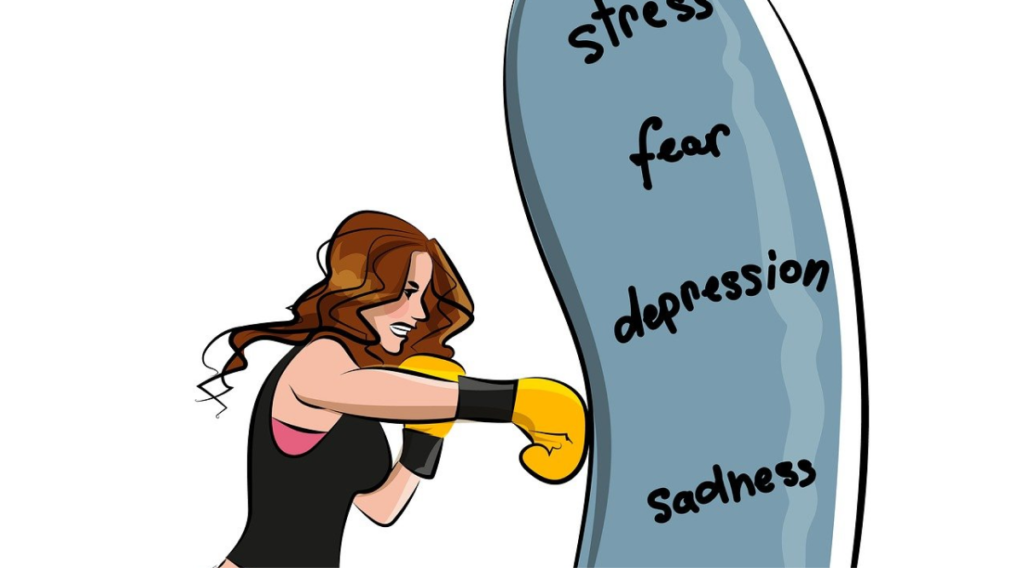
depression as a mood disorder that affects how you feel, think, and handle daily activities.

Introduction

Bipolar disorder is a mental health condition marked by extreme mood swings, including periods of mania (highs) and depression (lows).

Types of Personality Disorders

  1. Borderline Personality Disorder (BPD): Instability in moods, behavior, self-image, and functioning.
  2. Antisocial Personality Disorder: Disregard for and violation of the rights of others; often involves deceit and manipulation.
  3. Narcissistic Personality Disorder: Pattern of grandiosity, need for admiration, and lack of empathy
  4. Avoidant Personality Disorder: Social inhibition, feelings of inadequacy, and hypersensitivity to negative evaluation.
  5. Obsessive-Compulsive Personality Disorder: Preoccupation with orderliness, perfectionism, and control at the expense of flexibility.

Symptoms

Intense emotional experiences, mood swings, and difficulty managing emotions.

Clinic

Distorted self-image, unrealistic beliefs about self or others.

Lab Facility

Impulsive actions, difficulties in relationships, and maladaptive coping strategies.Effects.

Causes

The development of drug addiction is multifaceted and can involve.

Genetic Factors

Family history of depression or other mental health issues can increase the risk.

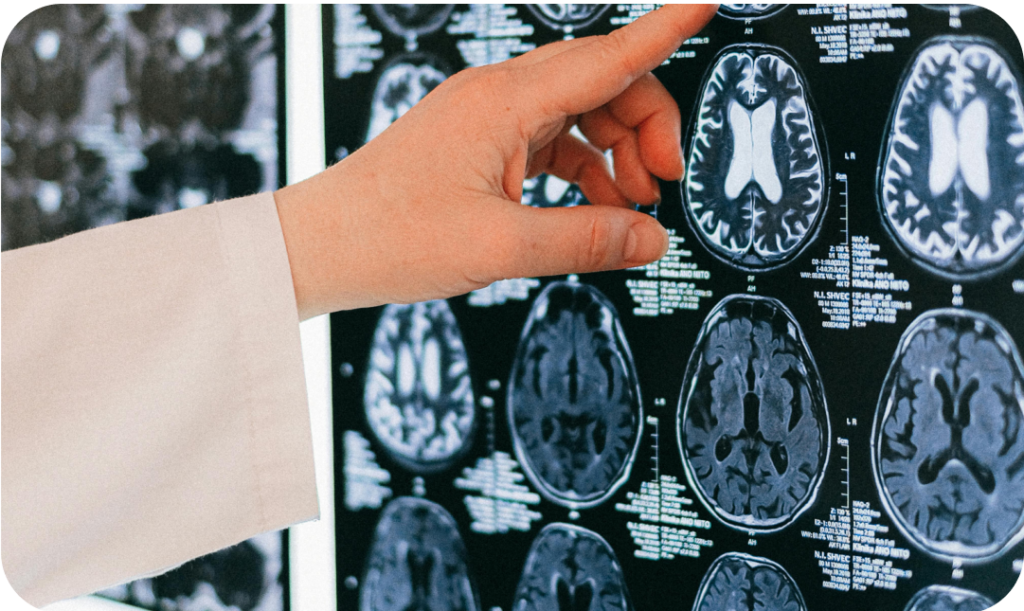
Neurological Factors

Differences in brain structure and function affecting attention regulation.

Environmental Factors

Exposure to toxins (e.g., lead), prenatal exposures (e.g., smoking, alcohol), and low birth weight.

Genetic Factors

Family history of depression or other mental health issues can increase the risk.

Neurological Factors

Differences in brain structure and function affecting attention regulation.

Environmental Factors

Exposure to toxins (e.g., lead), prenatal exposures (e.g., smoking, alcohol), and low birth weight.

Effects

Personality disorders can lead to complex challenges in a person's life.

Challenging Relationships

Negative thought and behavior patterns can lead to difficult relationships.

Social Isolation

Social withdrawal can lead to loneliness.

Employment Issues

Difficulty with relationships and emotions can lead to job instability and financial problems.

Co-occurring Mental Health Disorders

Other mental health conditions often occur alongside bipolar disorder, making treatment more complex.

Treatments

Effective drug addiction treatment typically requires a combination of therapeutic interventions tailored to individual needs. Key components include.

Get Start With Easy Steps

Psychotherapy

Dialectical Behavior Therapy (DBT) for BPD; other forms of cognitive and behavioral therapies for various disorders.

1

2

Medications

Antidepressants, anti-anxiety medications, and mood stabilizers may be used to manage symptoms.

Skills Training


Enhancing coping mechanisms and interpersonal effectiveness.

3

4

Support Groups

Community support for individuals coping with anxiety disorders.

Lifestyle Changes

Encouraging healthy habits such as regular exercise, nutrition, and mindfulness practices.

5