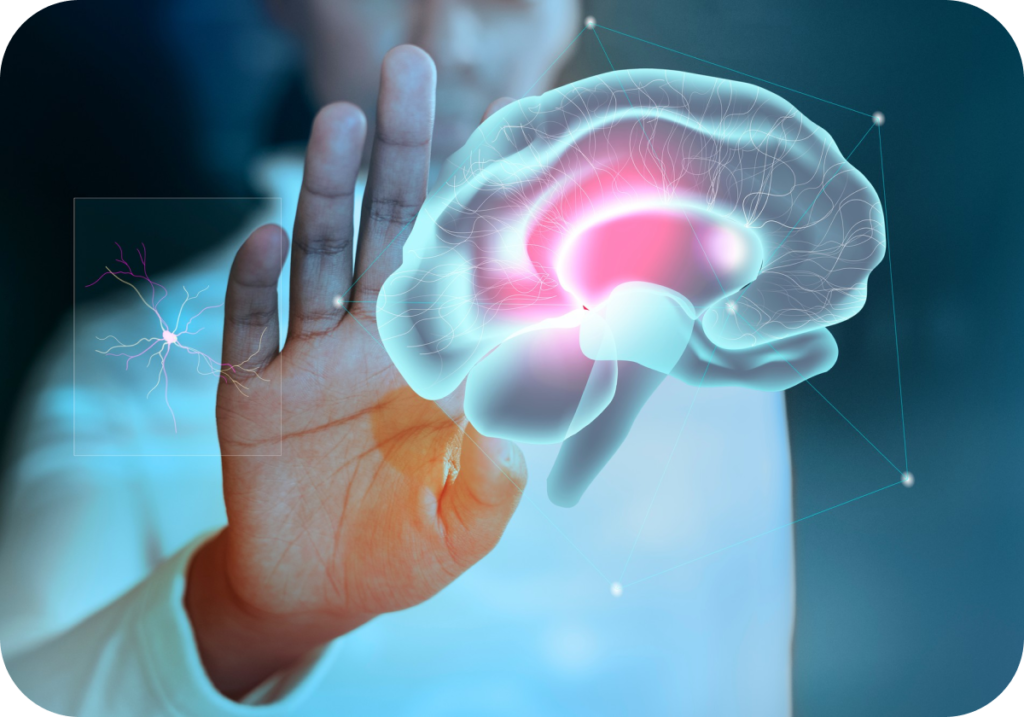
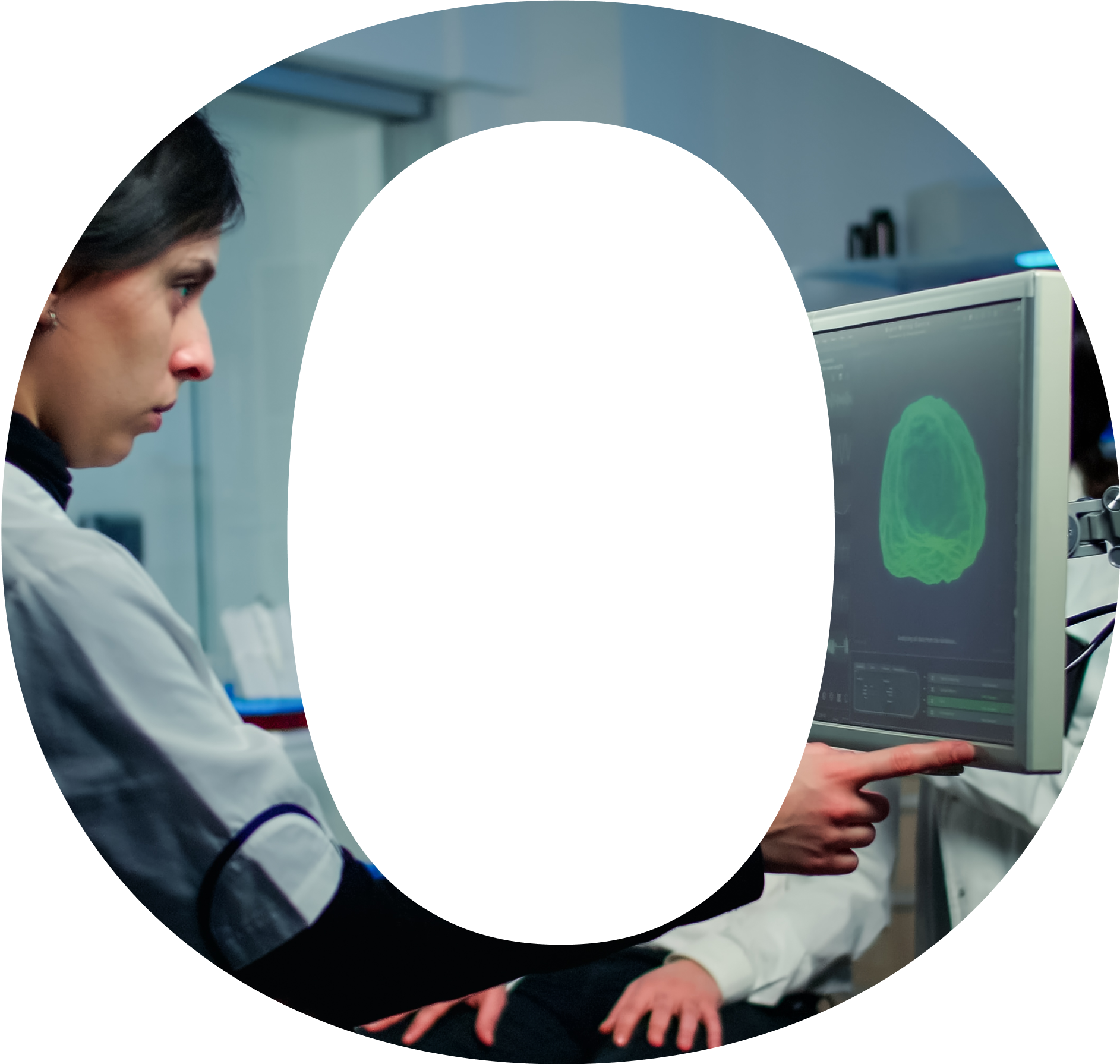
Other brain stimulation therapies, such as Transcranial Magnetic Stimulation (TMS), Vagus Nerve Stimulation (VNS), and Deep Brain Stimulation (DBS), are non-invasive or minimally invasive techniques used to treat various psychiatric and neurological disorders. These therapies aim to modulate brain activity to alleviate symptoms of conditions such as depression, anxiety, and movement disorders.
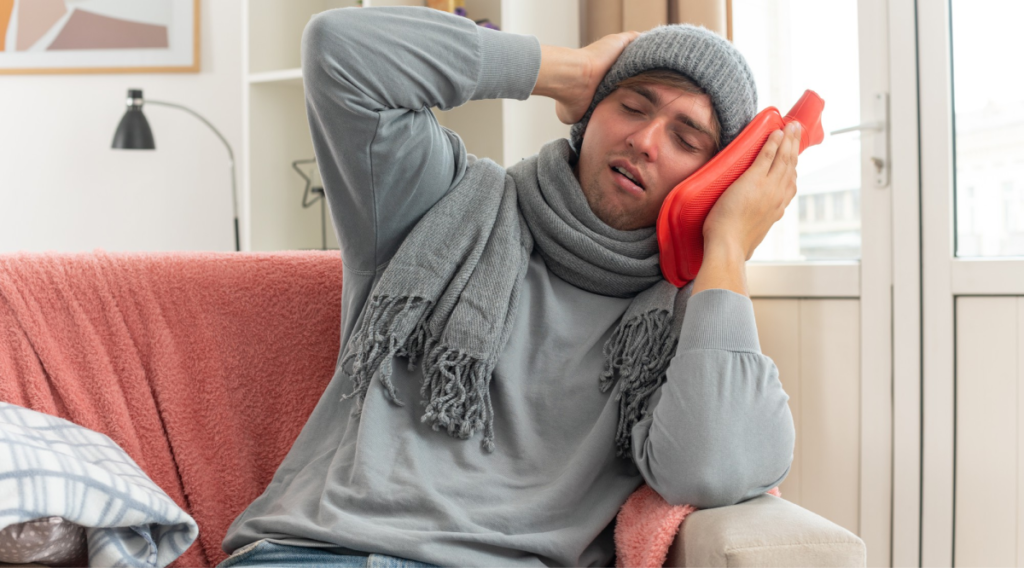
Symptoms
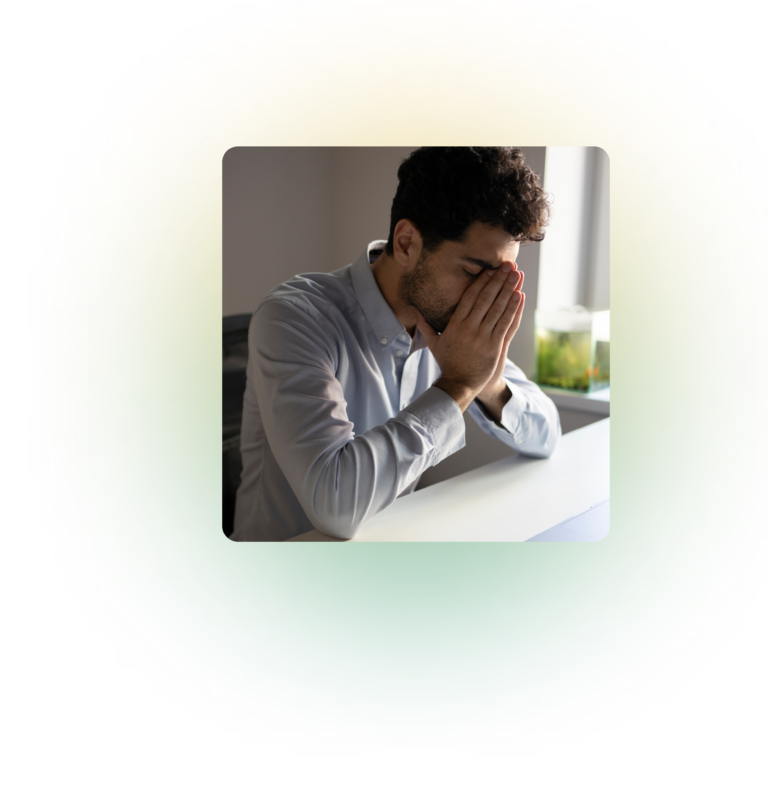
Persistent depressive symptoms, anxiety, and difficulty concentrating.
Severe mood swings, agitation, and withdrawal from social interactions.
Causes
The development of drug addiction is multifaceted and can involve.
Treatment-Resistant Depression
Many with depression find traditional treatments ineffective and may benefit from brain stimulation.
Anxiety Disorders
Disorders like anxiety and PTSD can be treated effectively in outpatient settings.
Neurological Disorders
Conditions like Parkinson's and epilepsy can be managed with personalized outpatient brain stimulation.
Treatment-Resistant Depression
Many with depression find traditional treatments ineffective and may benefit from brain stimulation.
Anxiety Disorders
Disorders like anxiety and PTSD can be treated effectively in outpatient settings.
Neurological Disorders
Conditions like Parkinson's and epilepsy can be managed with personalized outpatient brain stimulation.
Effects
ECT significantly impacts both individuals receiving treatment and their families.
Symptom Relief
Many patients report significant reductions in their depressive and anxiety symptoms, contributing to a better quality of life.
Impact on Relationships
Improved symptoms can strengthen relationships and social support.
Financial Considerations
Outpatient therapies can be expensive but can reduce long-term healthcare costs.
Emotional Well-being
Improved symptoms can reduce emotional distress and anxiety.
Treatments
Effective drug addiction treatment typically requires a combination of therapeutic interventions tailored to individual needs. Key components include.
Get Start With Easy Steps
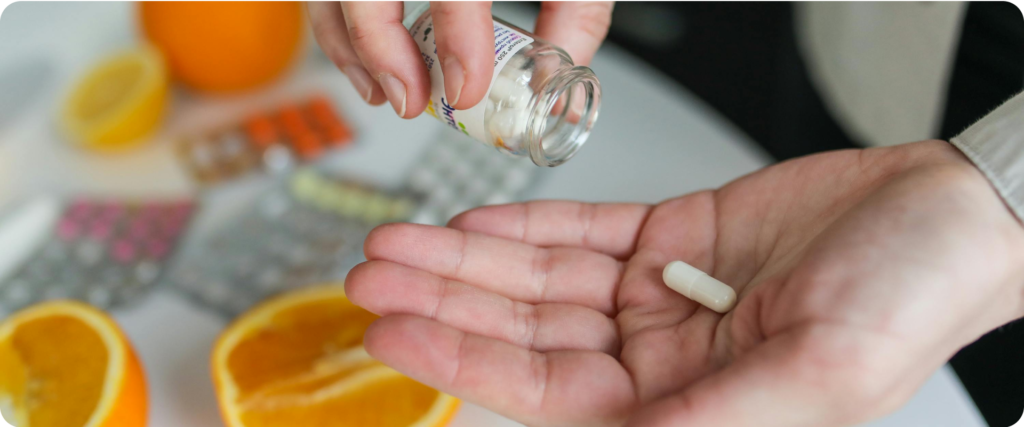
Medications
Brain stimulation therapies are often combined with pharmacological treatments to maximize effectiveness.
1
2
Psychosocial Interventions
Supportive therapies, such as cognitive-behavioral therapy (CBT), can complement brain stimulation treatments.
Support for Caregivers
Educating and supporting caregivers is essential, as they play a critical role in the treatment and recovery process.
3
4
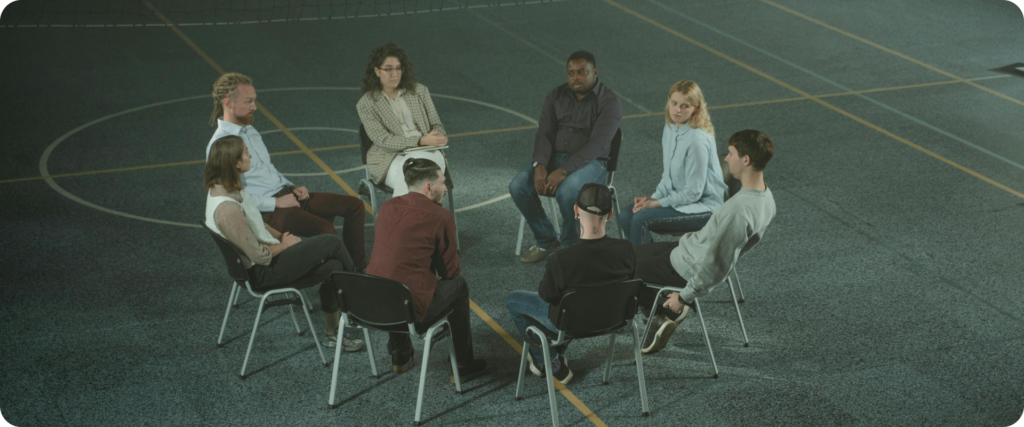
Support Groups
Community support for individuals coping with anxiety disorders.
Lifestyle Changes
Encouraging healthy habits such as regular exercise, nutrition, and mindfulness practices.