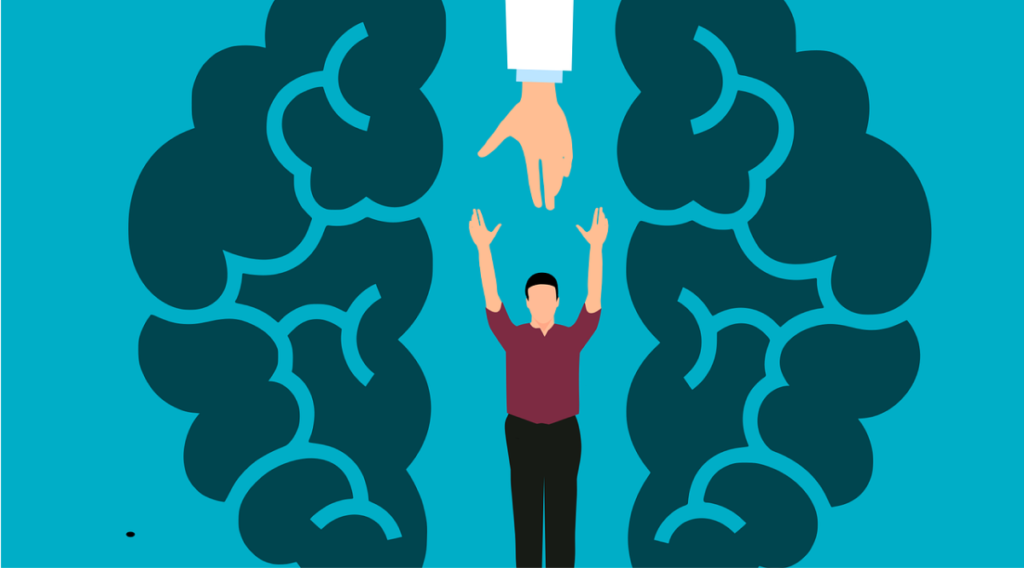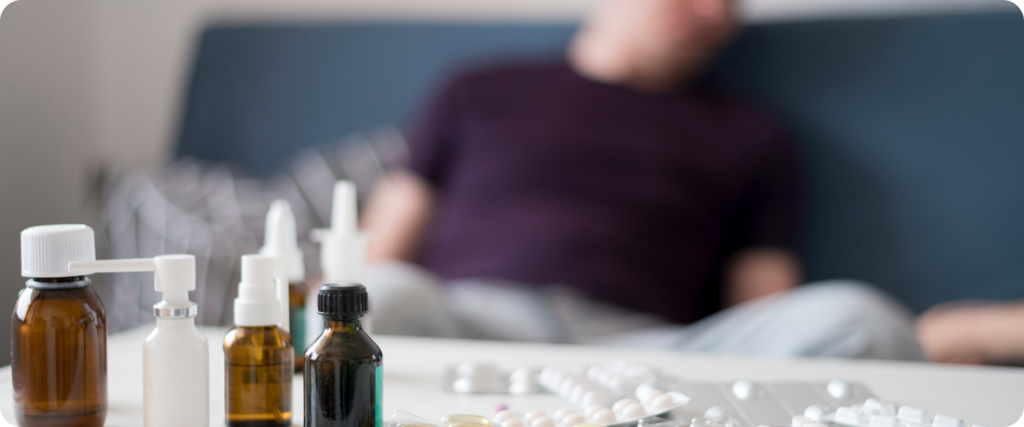

Mood stabilizers are medications primarily used to treat mood disorders, especially bipolar disorder. They help to stabilize mood fluctuations, preventing episodes of mania and depression.
Symptoms
Difficulty concentrating, racing thoughts, and impulsivity during manic episodes.
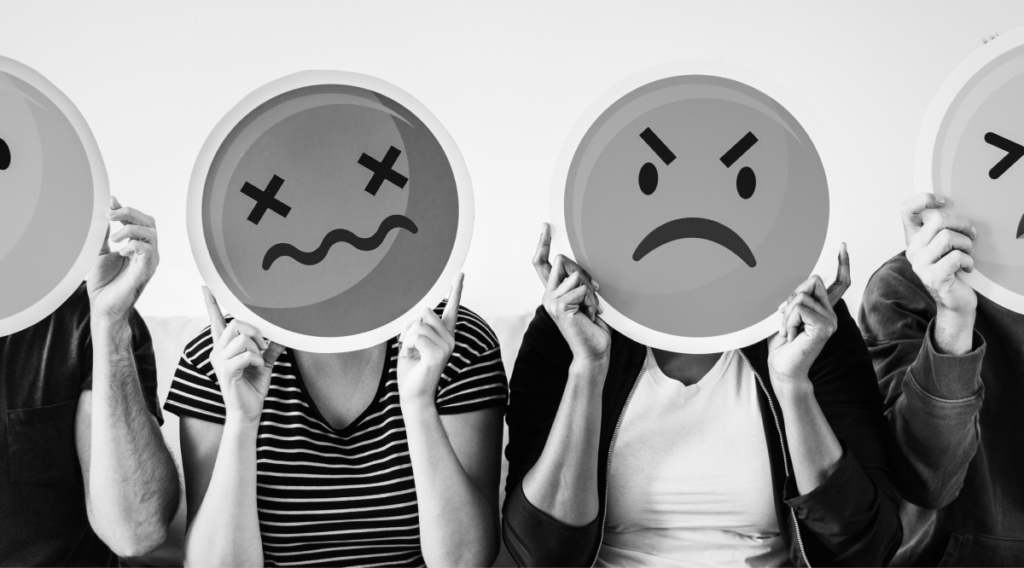
Extreme mood swings, irritability, and episodes of violence or self-destructive behavior.

Causes
The development of drug addiction is multifaceted and can involve.
Bipolar Disorder
The main indication for mood stabilizers, helping to manage severe mood swings.
Borderline Personality Disorder
Sometimes used to help manage mood instability associated with this condition.
Other Conditions
Can be beneficial for individuals with severe depression and aggressive behaviors.
Bipolar Disorder
The main indication for mood stabilizers, helping to manage severe mood swings.
Borderline Personality Disorder
Sometimes used to help manage mood instability associated with this condition.
Other Conditions
Can be beneficial for individuals with severe depression and aggressive behaviors.
Effects
Mood stabilizers have meaningful effects on both patients and their families
Mood Regulation
Many patients experience fewer mood swings and more stable emotions.
Improvement in Functioning
Improved mood can lead to better performance and relationships..
Reduction of Aggression
Mood stabilizers can reduce irritability and aggression.
Potential Side Effects
Side effects may include weight gain, digestive issues, and potential kidney or thyroid problems.
Treatments
Antidepressants can have significant positive impacts on individuals and their families.
Get Start With Easy Steps
Lithium
A classic mood stabilizer that effectively reduces the frequency and severity of mood episodes.
1
2
Anticonvulsants
Medications such as valproate and lamotrigine help stabilize mood, particularly in individuals with bipolar disorder.
Atypical Antipsychotics
Some atypical antipsychotics also serve as mood stabilizers (e.g., quetiapine, aripiprazole) and are utilized in treatment plans.
3
4
Support Groups
Community support for individuals coping with anxiety disorders.
Lifestyle Changes
Encouraging healthy habits such as regular exercise, nutrition, and mindfulness practices.