

Group Therapy

Depression as a mood disorder that affects how you feel, think, and handle daily activities.

Introduction

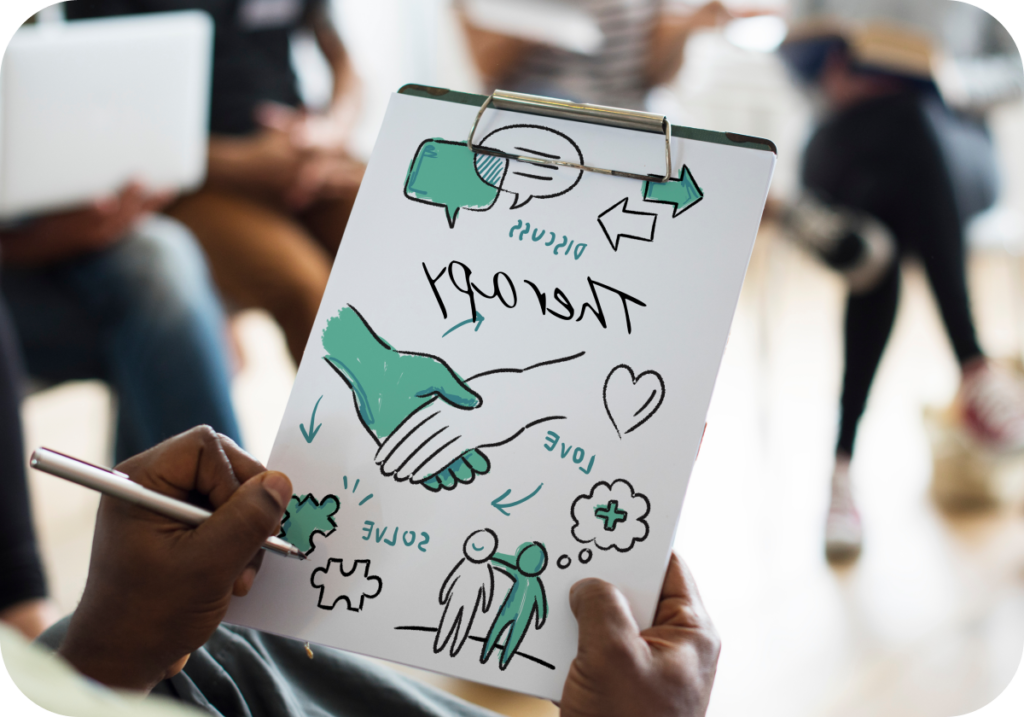
Group Therapy is a form of psychotherapy that involves one or more therapists working with a small group of clients. It provides support, feedback, and opportunities for individuals to learn from others with similar issues.

Symptoms

Emotional Symptoms

Feelings of isolation, loneliness, and misunderstanding from others regarding personal experiences.

Clinic

Withdrawal from social interactions, reluctance to engage in relationships, and anxiety in social situations.


Causes

The development of drug addiction is multifaceted and can involve.

Social Isolation

Individuals often feel isolated and seek connection with others.

Shared Experiences

Group therapy helps those dealing with common issues like addiction, grief, or anxiety.

Skill Development

Many participants seek to improve communication and relationship skills.

Social Isolation

Individuals often feel isolated and seek connection with others.

Shared Experiences

Group therapy helps those dealing with common issues like addiction, grief, or anxiety.

Skill Development

Many participants seek to improve communication and relationship skills.

Effects

Group Therapy has profound effects on individuals and their networks

Sense of Belonging

Participants often feel less isolated as they connect with others who share similar experiences and challenges.

Feedback and Support

Members receive support and diverse perspectives from peers.

Skill Acquisition

Group settings provide a safe space to practice new skills like communication and conflict resolution.

Empathy Development

Sharing experiences builds empathy and understanding.

Treatments

Effective drug addiction treatment typically requires a combination of therapeutic interventions tailored to individual needs. Key components include.

Get Start With Easy Steps

Psychoeducational Groups

Focus on educating participants about specific mental health issues or life skills.

1

2

Support Groups

Provide emotional support for individuals facing similar experiences, often led by a facilitator.

Process-Oriented Groups

Emphasize personal interaction and emotional sharing to address relational dynamics and interpersonal issues.

3

4

Support Groups

Community support for individuals coping with anxiety disorders.

Lifestyle Changes

Encouraging healthy habits such as regular exercise, nutrition, and mindfulness practices.

5