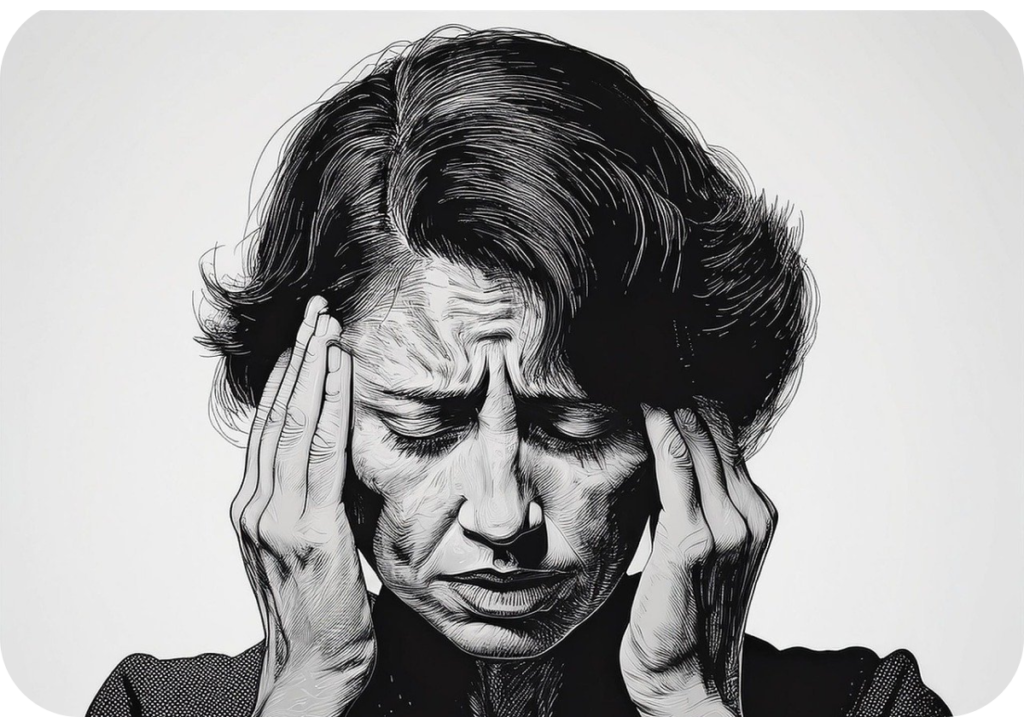


Family Therapy is a form of psychotherapy that involves working with families to improve communication and resolve conflicts. It views the family as a system where each member’s behavior affects the others and seeks to foster healthier relationships within the family unit.
Symptoms
Misunderstandings about each family member's thoughts and feelings, leading to conflict.
Communication barriers, silence during family interactions, and avoidance of discussions related to difficulties.

Causes
The development of drug addiction is multifaceted and can involve.
Family Conflicts
Frequent disagreements, unresolved issues, and communication breakdowns can lead to significant distress within a family.
Life Transitions
Major changes (e.g., divorce, relocation, death) can disrupt family dynamics and necessitate therapy.
Mental Health Issues
Family members may seek therapy to better understand and support a loved one struggling with mental health problems.
Family Conflicts
Frequent disagreements, unresolved issues, and communication breakdowns can lead to significant distress within a family.
Life Transitions
Major changes (e.g., divorce, relocation, death) can disrupt family dynamics and necessitate therapy.
Mental Health Issues
Family members may seek therapy to better understand and support a loved one struggling with mental health problems.
Effects
CBT significantly impacts individuals and their families
Improved Communication
Families can communicate better, leading to less conflict.
Resolution of Conflicts
Therapy can improve family relationships and create a supportive environment.
Decreased Self-Harm Behavior
Families learn strategies to resolve issues collaboratively rather than through avoidance or hostility.
Increased Empathy
Family members often gain insight into each other’s perspectives, fostering compassion and understanding.
Treatments
Effective drug addiction treatment typically requires a combination of therapeutic interventions tailored to individual needs. Key components include.
Get Start With Easy Steps
Structural Family Therapy
Focuses on adjusting family dynamics and hierarchies to improve interactions.
1
2
Strategic Family Therapy
Involves identifying and changing manipulative behaviors within family interactions.
Narrative Family Therapy
Encourages families to tell and re-author their stories to reshape their understanding and relationships.
3
4
Support Groups
Community support for individuals coping with anxiety disorders.
Lifestyle Changes
Encouraging healthy habits such as regular exercise, nutrition, and mindfulness practices.