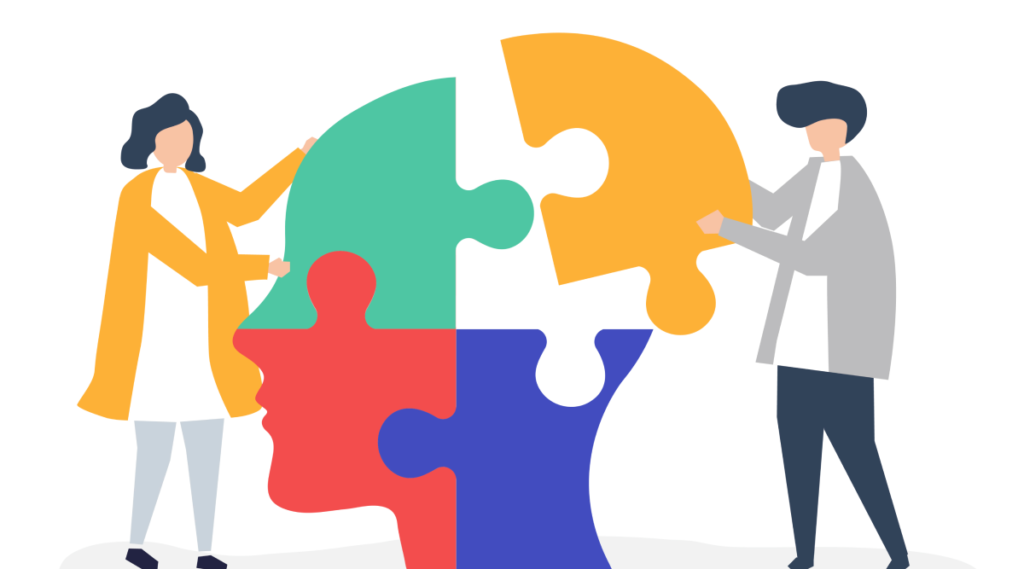


Cognitive Behavioral Therapy (CBT) is a structured, goal-oriented psychotherapy that focuses on the interconnection of thoughts, feelings, and behaviors. It aims to identify and change negative thought patterns and behaviors that contribute to emotional distress and mental health issues.
Symptoms
Distorted thinking, persistent negative beliefs about oneself, and difficulties in problem-solving.
Avoidance of social situations, decreased motivation, and engagement in harmful behaviors.

Causes
The development of drug addiction is multifaceted and can involve.
Mental Health Disorders
CBT is effective for treating conditions like depression, anxiety disorders, PTSD, and OCD.
Negative Thinking Patterns
Persistent negative self-talk and cognitive distortions can lead to mental health challenges.
Neurological Disorders
Conditions like Parkinson's and epilepsy can be managed with personalized outpatient brain stimulation.
Mental Health Disorders
CBT is effective for treating conditions like depression, anxiety disorders, PTSD, and OCD.
Negative Thinking Patterns
Persistent negative self-talk and cognitive distortions can lead to mental health challenges.
Neurological Disorders
Major life changes, trauma, and chronic stress can exacerbate mental health issues.
Effects
CBT significantly impacts individuals and their families
Cognitive Restructuring
Clients often develop a more realistic and positive outlook.
Enhanced Coping Skills
People learn to handle stress better, making them more resilient.
Improved Relationships
Improved emotional and cognitive skills can lead to better relationships.
Emotional Regulation
Participants often feel less overwhelmed, leading to reduced anxiety and depression.
Treatments
Effective drug addiction treatment typically requires a combination of therapeutic interventions tailored to individual needs. Key components include.
Get Start With Easy Steps
Skills Training
Brain stimulation therapies are often combined with pharmacological treatments to maximize effectiveness.
1
2
Homework Assignments
Therapy often includes tasks to practice skills learned during sessions in real-life situations.
Psychoeducation
Clients receive information about their conditions and the treatment process to understand their mental health better.
3
4
Support Groups
Community support for individuals coping with anxiety disorders.
Lifestyle Changes
Encouraging healthy habits such as regular exercise, nutrition, and mindfulness practices.