
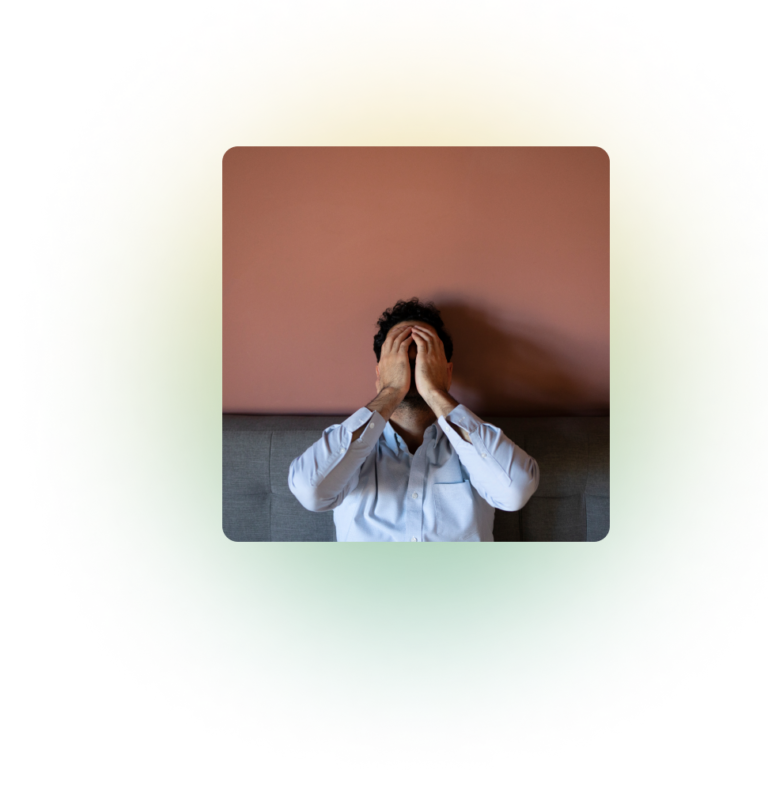

Anxiety

Anxiety can be accompanied by a variety of physical symptoms. Most commonly, these symptoms are related to the heart, lungs, and nervous system. You may feel as if you are having a heart attack.

Introduction

Anxiety is a feeling of apprehension, Fear or worry. Some fears and worries are justified, Such as worry about a loved one. Anxiety may occur without a cause, or it may occur based on a real situation, but may be out of proportion to what would normally be expected. Severe anxiety can have a serious impact on daily life.

Symptoms

Emotional Symptoms

Separate and intense periods of fear or feelings of doom developing over a very short time frame 10 minutes—and associated with at least 4 of the following

  • Palpitations
  • Sweating
  • Trembling
  • Shortness of breath
  • Sense of choking
  • Chest pain
  • Nausea
  • Dizziness
  • A feeling of being detached from the world (derealization)
  • Fear of dying
  • Numbness or tingling
  • Chills or hot flushes.
Clinic

Excessive and unrealistic worry over a period of at least 6 months associated with 3 of the following:

  • Restlessness
  • Easy fatigue
  • Difficulty concentrating
  • Irritability
  • Muscle tension
  • Sleep disturbances.

Causes

Anxiety may be caused by a mental condition, a physical condition, the effects of drugs, or from a combination of these. The doctor’s initial task is to see if your anxiety is caused by a medical condition.

Panic disorder

In addition to anxiety, common symptoms of panic disorders are palpitations dizziness, and shortness of breath.

Generalized anxiety disorder

Generalized anxiety disorder is a mental health condition characterized by excessive, persistent.

Phobic disorders

Phobic disorders are a type of anxiety disorder characterized by an intense, irrational fear of a specific object, situation, or place.

Panic disorder

In addition to anxiety, common symptoms of panic disorders are palpitations dizziness, and shortness of breath.

Generalized anxiety disorder

Generalized anxiety disorder is a mental health condition characterized by excessive, persistent.

Phobic disorders

Phobic disorders are a type of anxiety disorder characterized by an intense, irrational fear of a specific object, situation, or place.

Effects

Anxiety disorders can have profound impacts on an individual’s daily life, well-being, and relationships. Here are several key effects.

Impairs Daily
Functioning

People with anxiety may avoid daily activities like work, school, or social events due to fear.

Psychological Distress

Chronic anxiety often leads to co-occurring mental health issues, such as depression, exacerbating feelings of despair and hopelessness.

Reduced Quality of Life

The persistent nature of anxiety can diminish overall life satisfaction, affecting emotional well-being & making enjoyment of life’s activities difficult

Physical Health Impacts

Chronic anxiety can harm physical health, causing heart, gut, and immune problems.

Treatments

When the cause of anxiety is a physical ailment, treatment is directed toward eliminating that ailment. For example, if your thyroid gland were overactive and causing anxiety, the treatment might involve surgery and various thyroid-regulating medications.

Get Start With Easy Steps

Psychotherapy

Cognitive Behavioral Therapy (CBT): Focuses on changing negative thought patterns and behaviors.
Exposure Therapy: Gradual exposure to feared objects or situations.

1

2

Medications

Antidepressants (SSRIs, SNRIs):  Commonly used to treat anxiety.
Benzodiazepines: Short-term relief; potential for dependence.

Lifestyle Changes

Regular exercise, stress management techniques, and healthy sleep patterns.

3

4

Support Groups

Community support for individuals coping with anxiety disorders.

Lifestyle Changes

Encouraging healthy habits such as regular exercise, nutrition, and mindfulness practices.

5