


Drug Addiction

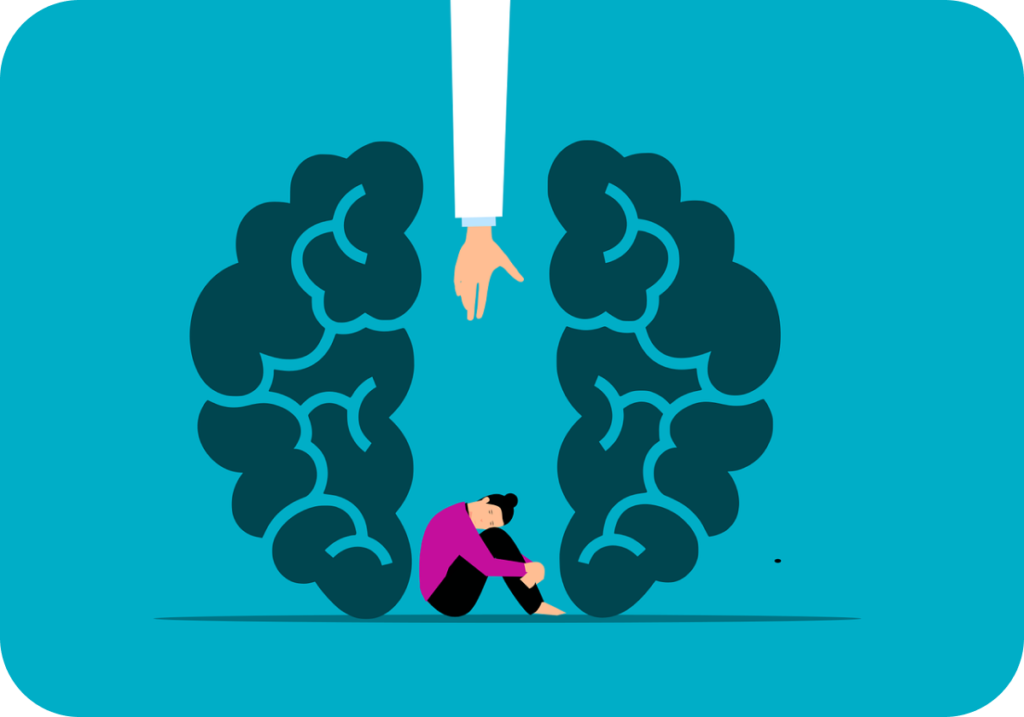
Depression as a mood disorder that affects how you feel, think, and handle daily activities.

Introduction

Drug addiction, also known as substance use disorder (SUD), is a chronic condition characterized by compulsive drug seeking, continued use despite harmful consequences, and long-lasting changes in the brain. It can involve legal substances (like alcohol and prescription medications) and illegal drugs (like heroin and cocaine).

Symptoms

Emotional Symptoms

Increased Tolerance: Needing larger amounts of the substance to achieve the desired effect.
Compulsive Behavior: Engaging in drug-seeking behavior despite harmful consequences, such as neglecting responsibilities, relationships, or work.
Changes in Social Circles: Associating primarily with others who use drugs, leading to isolation from non-drug-using friends and family.
Risky Behavior: Engaging in dangerous activities while under the influence of drugs, such as driving or unsafe sexual practices.

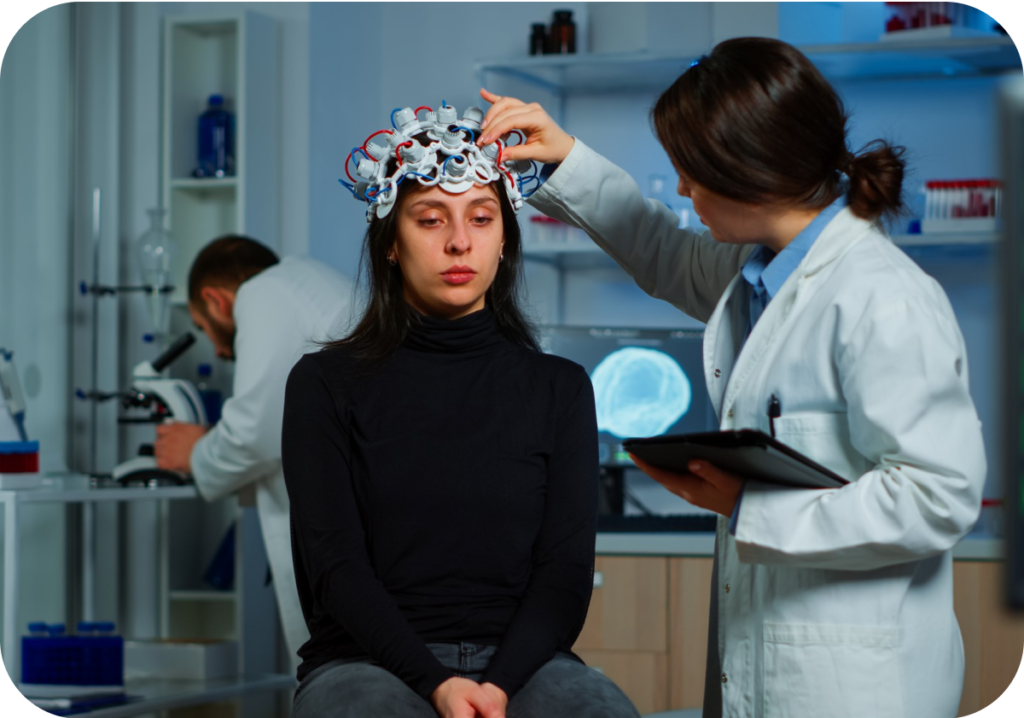
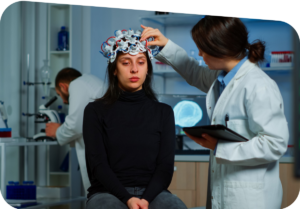
Clinic

Mood Swings: Rapid changes in mood, including euphoria, irritability, or sadness.
Anxiety and Depression: Co-occurring mental health issues, including heightened anxiety or depressive symptoms.
Cognitive Impairment: Difficulties with focus, memory, decision-making, and overall cognitive function.
Hallucinations or Delusions: Depending on the substance, users may experience distorted perceptions or beliefs.

Lab Facility

Changes in Appearance: Neglecting personal hygiene, changes in weight (gain or loss), and sleep disturbances.
Physical Health Issues: Developing chronic health problems, including heart disease, liver damage, or respiratory issues, depending on the substance abused.
Changes in Appetite: Increased or decreased appetite, leading to weight fluctuations.
Sleep Problems: Insomnia or excessive sleepiness related to substance use.
Causes

The development of drug addiction is multifaceted and can involve.

Genetic Factors

Family history of depression or other mental health issues can increase the risk.

Biological Factors

Changes in neurotransmitter levels (serotonin, norepinephrine, dopamine) can affect mood.

Environmental Factors

Trauma, abuse, neglect, or significant life changes (such as loss of a loved one or job) can trigger depression.

Psychological Factors

Low self-esteem, pessimism, and chronic stress are linked to increased risk.

Genetic Factors

Family history of depression or other mental health issues can increase the risk.

Biological Factors

Changes in neurotransmitter levels (serotonin, norepinephrine, dopamine) can affect mood.

Environmental Factors

Trauma, abuse, neglect, or significant life changes (such as loss of a loved one or job) can trigger depression.

Psychological

Low self-esteem, pessimism, and chronic stress are linked to increased risk.

Effects

Drug addiction can have severe negative impacts on individuals and their families, including.

Physical Health

Chronic diseases (heart & liver disease). Infectious diseases (HIV/AIDS, hepatitis) due to needle sharing.

Mental Health

Increased risk of anxiety, depression, and other mood disorders. Cognitive impairments affecting memory and decision-making.

Social Implications

Strained relationships with family and friends. Legal issues related to drug use or possession. Challenges in maintaining employment or education.

Economic Burden

Significant healthcare costs. Loss of productivity and increased crime rates.

Treatments

Effective drug addiction treatment typically requires a combination of therapeutic interventions tailored to individual needs. Key components include.

Get Start With Easy Steps

Psychotherapy

Stimulants: (e.g., methylphenidate, amphetamines) are the most common treatment.
Non-stimulants: (e.g., atomoxetine) for those who do not respond well to stimulants.

1

2

Psychotherapy

Cognitive Behavioral Therapy (CBT): Helps individuals recognize and change negative thought patterns and behaviors.
Motivational Interviewing: Strengthens personal motivation to change.

Medication-Assisted Treatment (MAT)

Medications can help manage cravings and withdrawal symptoms (e.g., methadone and buprenorphine for opioid dependency, naltrexone for alcohol).
This can improve overall treatment outcomes when combined with counseling.

3

4

Support Groups


12-Step Programs: (e.g., Alcoholics Anonymous, Narcotics Anonymous) provide peer support and promote sobriety.
Community support groups foster recovery through shared experiences.

Lifestyle Changes

Encouraging healthy habits such as regular exercise, nutrition, and mindfulness practices.

5