
Anxiety Medications

Depression as a mood disorder that affects how you feel, think, and handle daily activities.

Introduction

Anxiety medications are a broad category of drugs designed to alleviate symptoms of anxiety disorders, including generalized anxiety disorder (GAD), panic disorder, and social anxiety disorder. They help to reduce the intensity and frequency of anxiety-related symptoms.

Symptoms

Emotional Symptoms

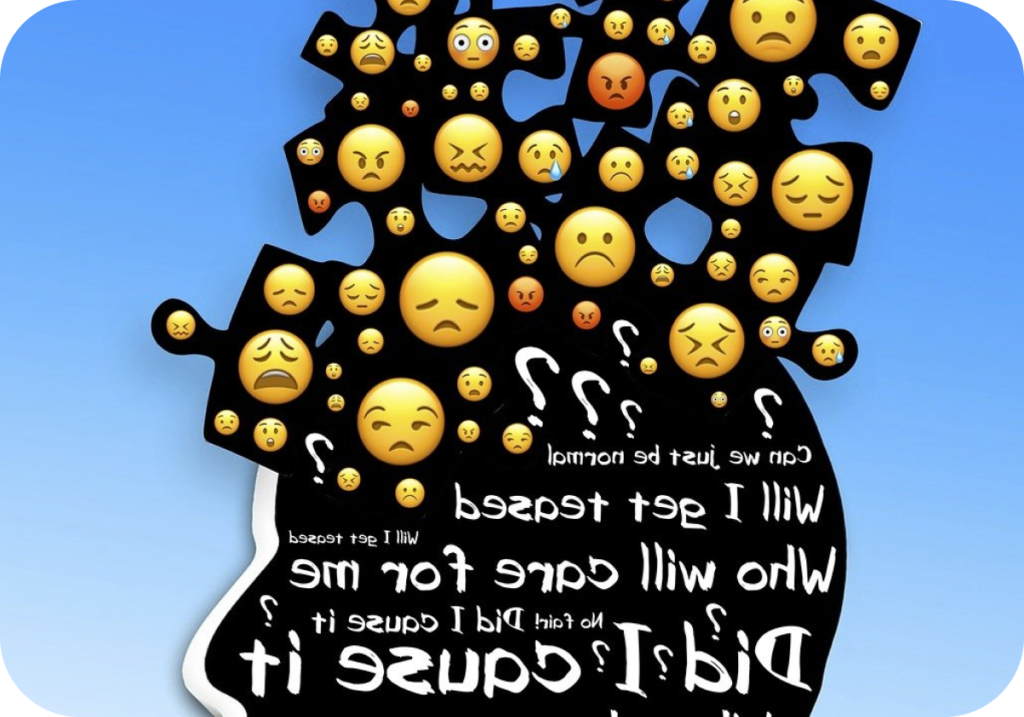
Persistent worry, difficulty concentrating, and racing thoughts.

Clinic

Avoidance of social situations, restlessness, and physical symptoms like rapid heartbeat or sweating.


Causes

The development of drug addiction is multifaceted and can involve.

Generalized Anxiety Disorder

The primary use of anxiety medications is to manage excessive worry and tension.

Panic Disorder

Medications help reduce the occurrence and intensity of panic attacks.

Social Anxiety Disorder

hese medications can reduce anxiety in social situations.

Generalized Anxiety Disorder

The primary use of anxiety medications is to manage excessive worry and tension.

Panic Disorder

Medications help reduce the occurrence and intensity of panic attacks.

Social Anxiety Disorder

These medications can reduce anxiety in social situations.

Effects

Mood stabilizers have meaningful effects on both patients and their families

Symptom Relief

Patients often experience rapid relief from anxiety symptoms, improving daily functioning.

Enhanced Coping

Medications can provide the stability needed to engage in therapy and develop coping strategies.

Improved Quality of Life

Reduced anxiety can improve social life and overall well-being.

Potential Side Effects

Side effects may include sedation, dizziness, dependency, and withdrawal symptoms.

Treatments

Antidepressants can have significant positive impacts on individuals and their families.

Get Start With Easy Steps

Benzodiazepines

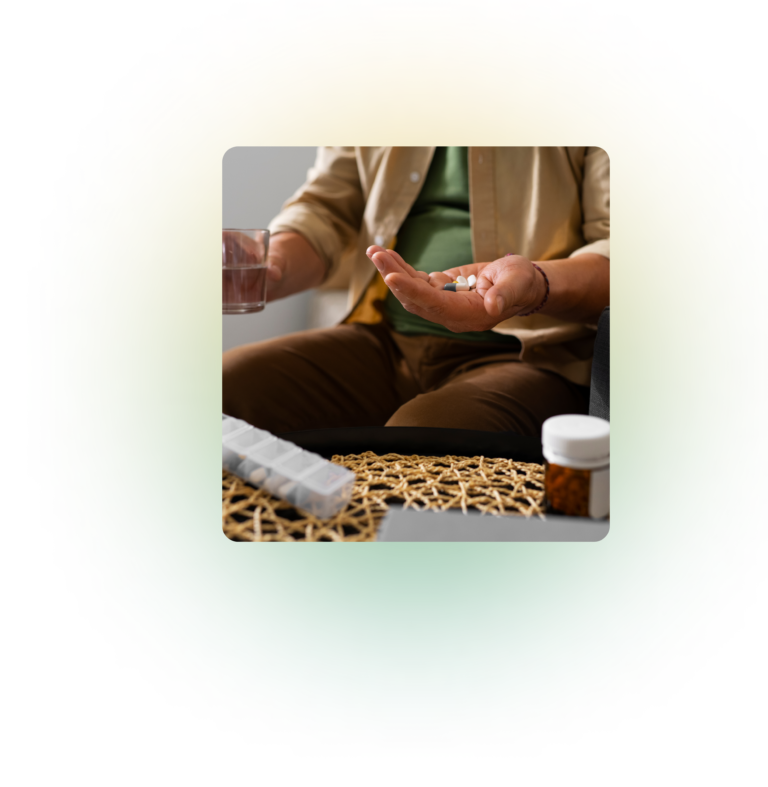
Fast-acting medications for short-term relief of anxiety symptoms (e.g., diazepam, lorazepam).

1

2

Selective Serotonin Reuptake Inhibitors (SSRIs)

Often prescribed as first-line treatments for long-term anxiety management (e.g., escitalopram, sertraline).

Buspirone

An anti-anxiety medication that is non-benzodiazepine, often used for generalized anxiety disorder

3

4

Beta-Blockers

Sometimes used to manage physical symptoms of anxiety, such as rapid heartbeat and tremors during performance situations.

Lifestyle Changes

Encouraging healthy habits such as regular exercise, nutrition, and mindfulness practices.

5