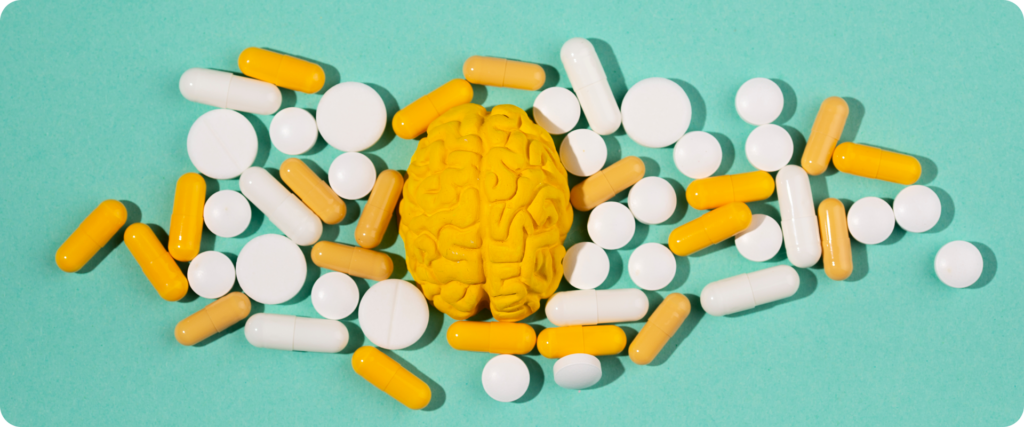


Antidepressants are a class of medications used to treat depressive disorders and other conditions, such as anxiety disorders, obsessive-compulsive disorder (OCD), and chronic pain. They work by affecting neurotransmitters in the brain, which regulate mood and emotional responses.
Symptoms
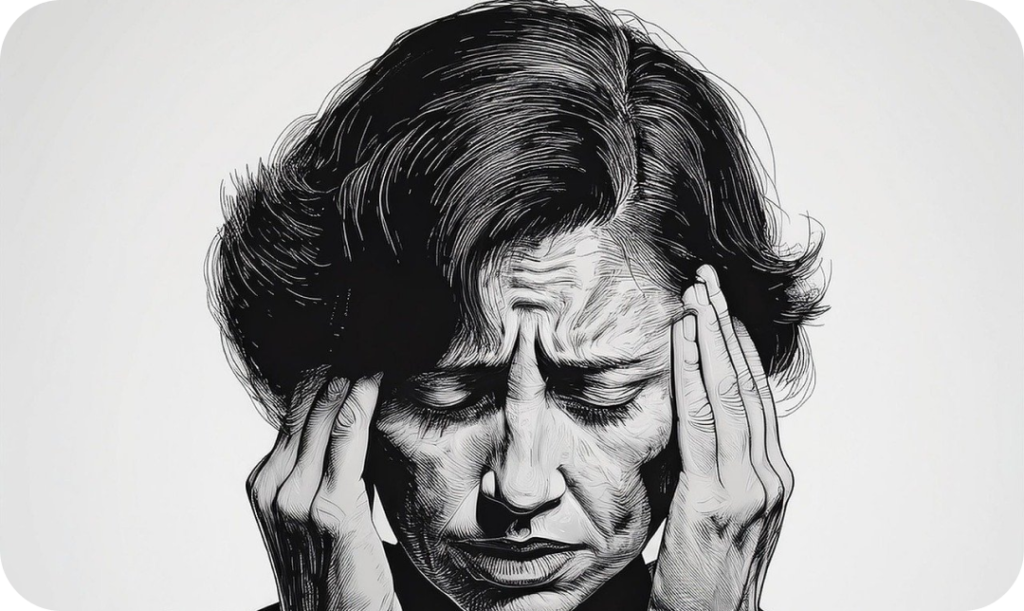
Persistent feelings of sadness, hopelessness, and difficulty concentrating.
Loss of interest in daily activities, social withdrawal, and changes in sleep and appetite patterns.

Causes
The development of drug addiction is multifaceted and can involve.
Major Depressive Disorder
The primary use of antidepressants is to alleviate symptoms of major depression.
Anxiety Disorders
Many antidepressants also help in managing anxiety-related symptoms.
Chronic Pain Conditions
Some types of antidepressants are used to treat chronic pain syndromes.
Major Depressive Disorder
The primary use of antidepressants is to alleviate symptoms of major depression.
Anxiety Disorders
Many antidepressants also help in managing anxiety-related symptoms.
Chronic Pain Conditions
Some types of antidepressants are used to treat chronic pain syndromes.
Effects
Antidepressants can have significant positive impacts on individuals and their families.
Improved Mood
Many patients experience improved mood and reduced depression symptoms..
Increased Energy Levels
Patients often report increased energy and motivation..
Reduced Anxiety
Many antidepressants can reduce anxiety, improving social comfort.
Enhanced Quality of Life
Effective treatment can lead to better interpersonal relationships and overall life satisfaction.
Treatments
Antidepressants can have significant positive impacts on individuals and their families.
Get Start With Easy Steps
Selective Serotonin Reuptake Inhibitors (SSRIs)
Common first-line treatments that increase serotonin levels in the brain (e.g., fluoxetine, sertraline).