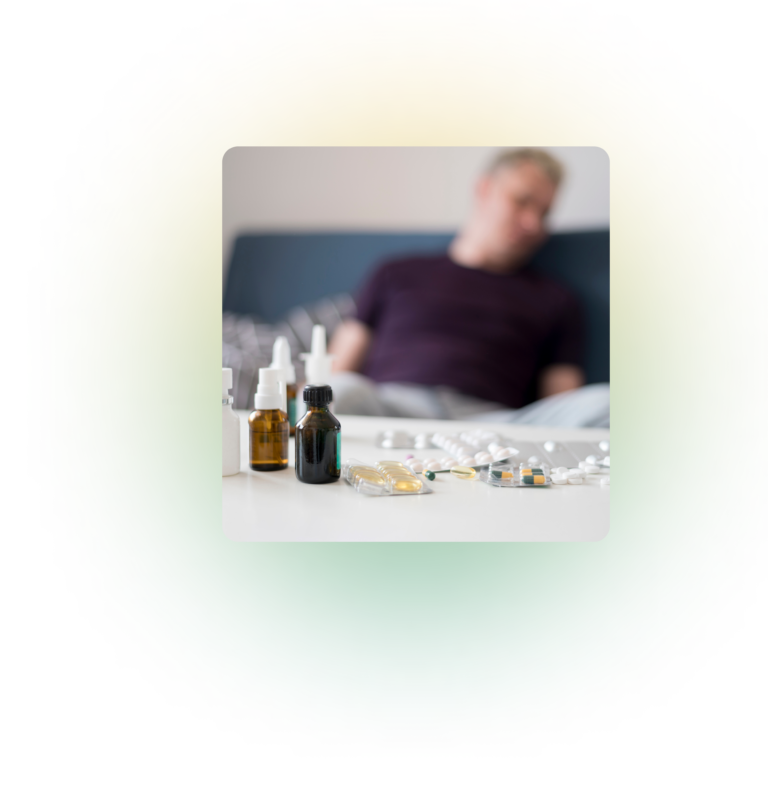
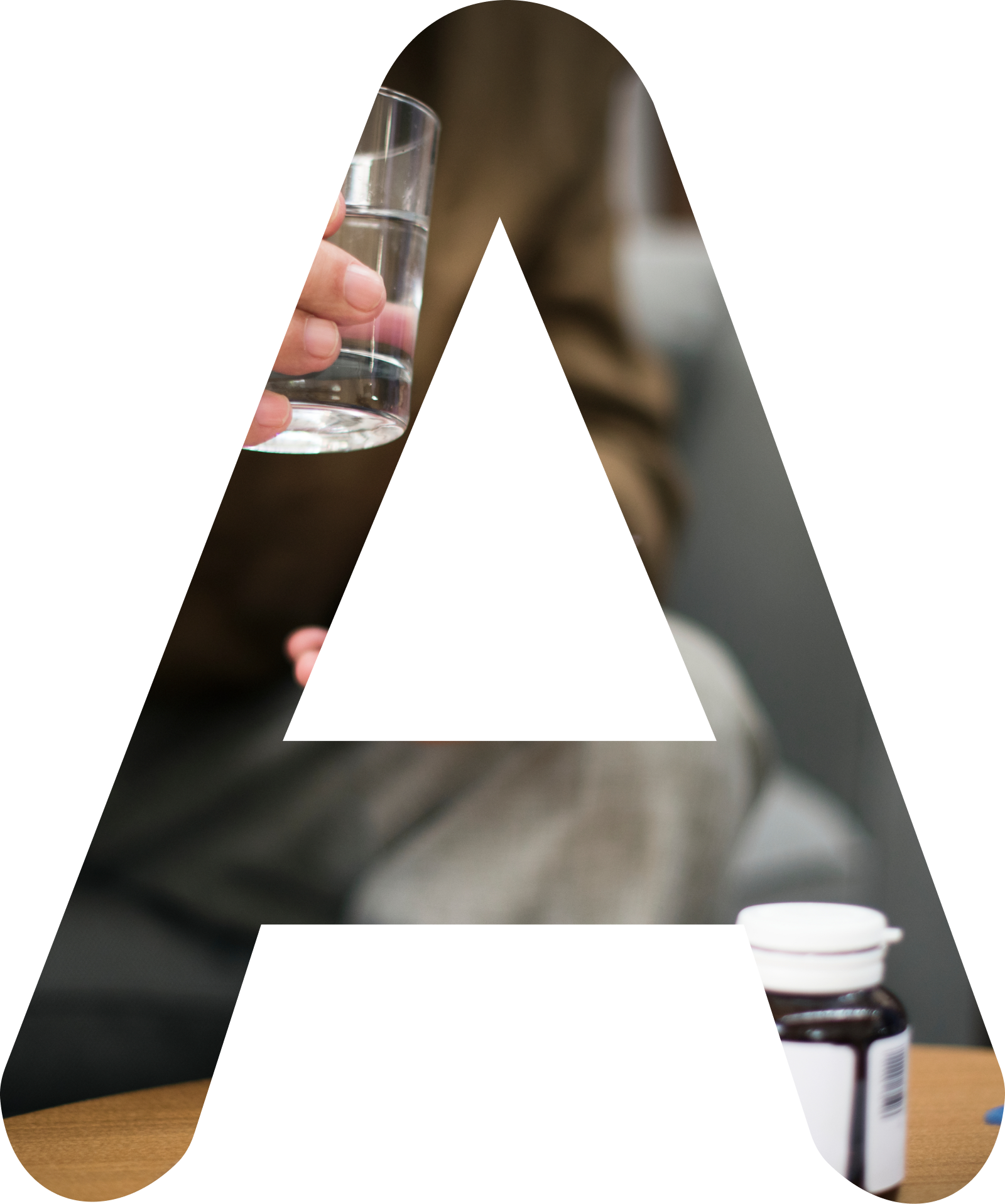
Antipsychotics are medications used to manage symptoms of psychotic disorders, such as schizophrenia and bipolar disorder. They help to stabilize mood and reduce symptoms like delusions, hallucinations, and disorganized thinking.
Symptoms
Disorganized thinking, difficulty concentrating, and impaired insight into one’s own mental state.
Hallucinations, delusions, and severe mood swings.

Causes
The development of drug addiction is multifaceted and can involve.
Schizophrenia
Antipsychotics are primarily prescribed for schizophrenia and other severe mental disorders.
Bipolar Disorder
Used to manage manic and depressive episodes in bipolar disorder.
Other Mental Health Conditions
Can also aid in treating severe anxiety and other mood disorders.
Schizophrenia
Antipsychotics are primarily prescribed for schizophrenia and other severe mental disorders.
Bipolar Disorder
Used to manage manic and depressive episodes in bipolar disorder.
Chronic Pain Conditions
Some types of antidepressants are used to treat chronic pain syndromes.
Effects
Antidepressants can have significant positive impacts on individuals and their families.
Reduction of Psychotic Symptoms
Effective in reducing hallucinations and delusions.
Increased Energy Levels
Many patients experience more stable mood levels, leading to better management of daily life..
Improved Social Functioning
Improved symptoms lead to better relationships.
Risk of Side Effects
Side effects like weight gain, sedation, and movement disorders can impact treatment adherence.
Treatments
Antidepressants can have significant positive impacts on individuals and their families.
Get Start With Easy Steps
Selective Serotonin Reuptake Inhibitors (SSRIs)
Common first-line treatments that increase serotonin levels in the brain (e.g., fluoxetine, sertraline).