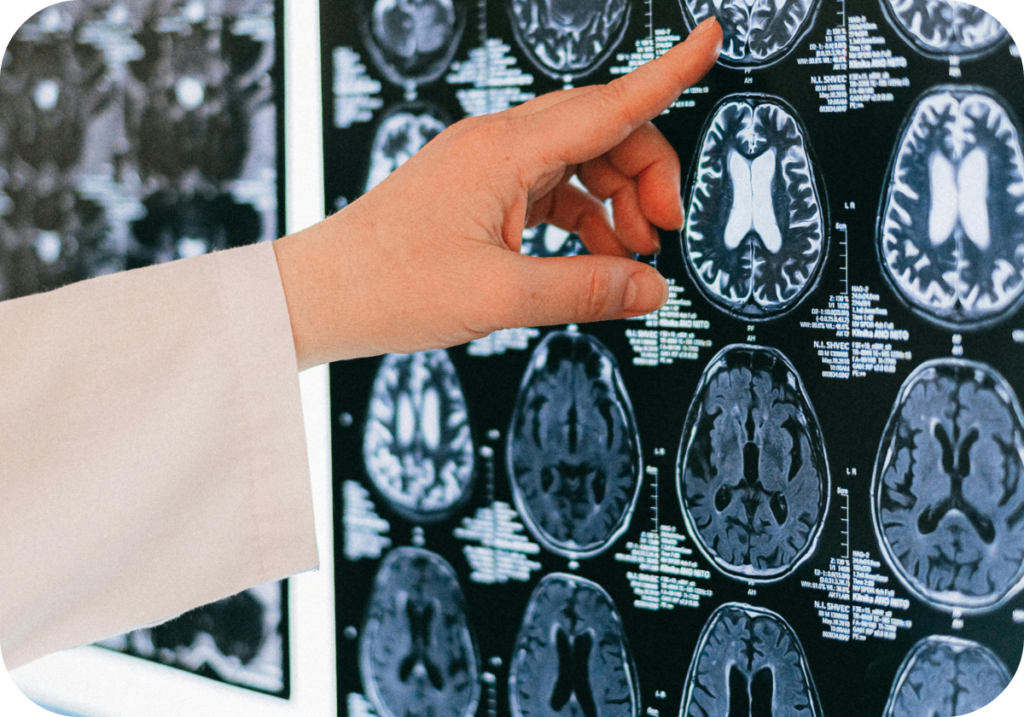


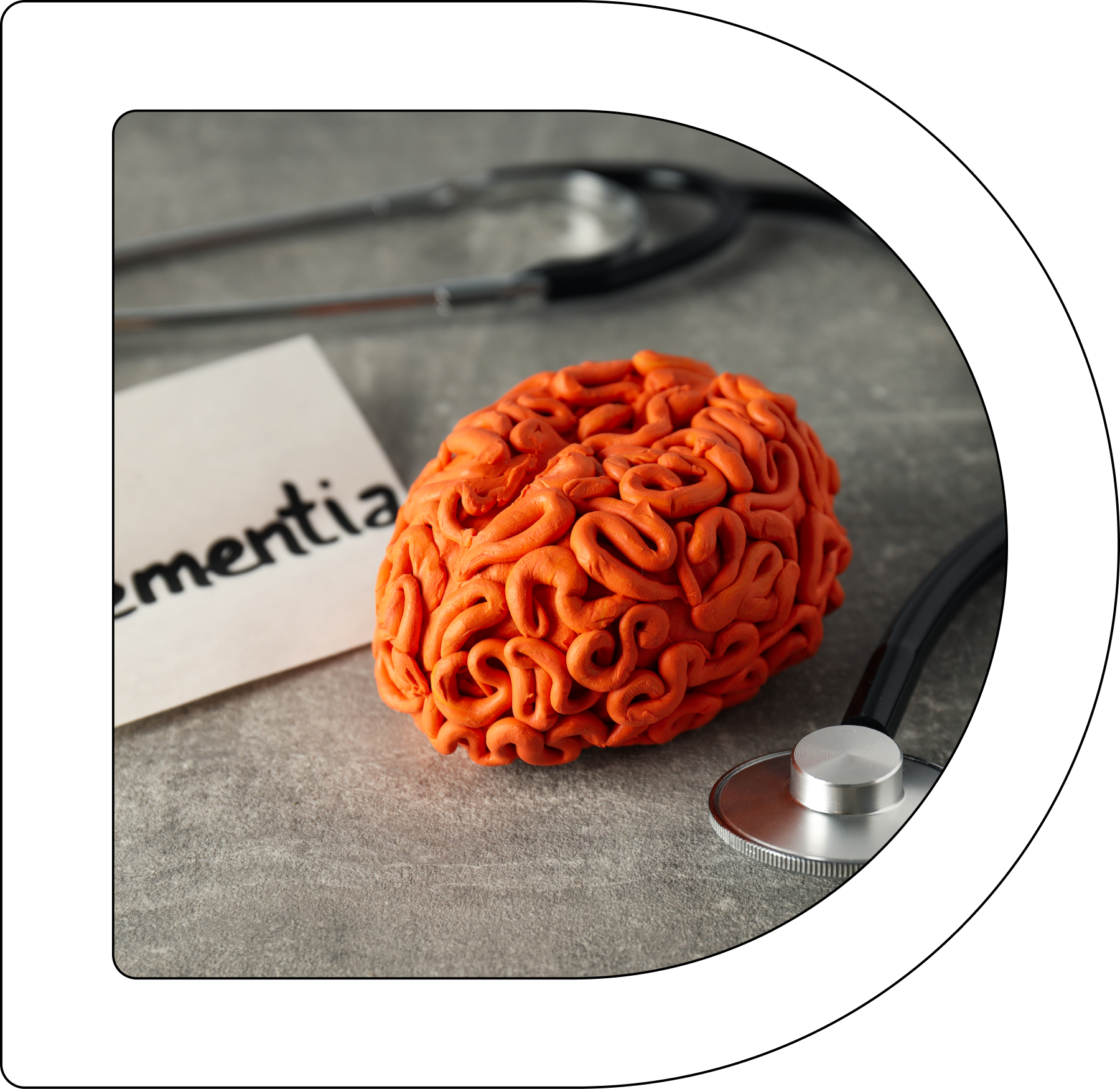
Dementia is an umbrella term for a range of conditions characterized by the decline in cognitive function severe enough to impair daily living and independence. Alzheimer’s disease is the most common type.
Symptoms
Memory loss, especially recent memories; difficulty with reasoning and problem-solving.
Changes in mood and behavior, confusion about time and place, difficulty with language.
Difficulty with planning, organizing, and completing familiar tasks.
Causes
The development of drug addiction is multifaceted and can involve.
Neurodegenerative Diseases
Alzheimer’s disease, vascular dementia, Lewy body dementia, and frontotemporal dementia.
Vascular Issues
Reduced blood flow to the brain leading to vascular dementia.
Other Factors
Severe vitamin deficiencies, infections, and head trauma.
Neurodegenerative Diseases
Alzheimer’s disease, vascular dementia, Lewy body dementia, and frontotemporal dementia.
Vascular Issues
Reduced blood flow to the brain leading to vascular dementia.
Other Factors
Severe vitamin deficiencies, infections, and head trauma.
Effects
Dementia significantly impacts both the individual and their families
Cognitive Decline
Negative thought and behavior patterns can lead to difficult relationships.
Impact on Relationships
Social withdrawal can lead to loneliness.
Loss of Independence
Difficulty with relationships and emotions can lead to job instability and financial problems.
Emotional Distress
Other mental health conditions often occur alongside bipolar disorder, making treatment more complex.
Treatments
Effective drug addiction treatment typically requires a combination of therapeutic interventions tailored to individual needs. Key components include.
Get Start With Easy Steps
Psychotherapy
Cholinesterase inhibitors (e.g., donepezil) for Alzheimer’s to improve symptoms temporarily. Medications to manage symptoms like anxiety and depression.
1
2
Psychosocial Interventions
Cognitive stimulation therapy, structured activities, and reminiscence therapy.
Support for Caregivers
Education, counseling, and support groups for caregivers managing the burden of care.
3
4
Support Groups
Community support for individuals coping with anxiety disorders.
Lifestyle Changes
Encouraging healthy habits such as regular exercise, nutrition, and mindfulness practices.